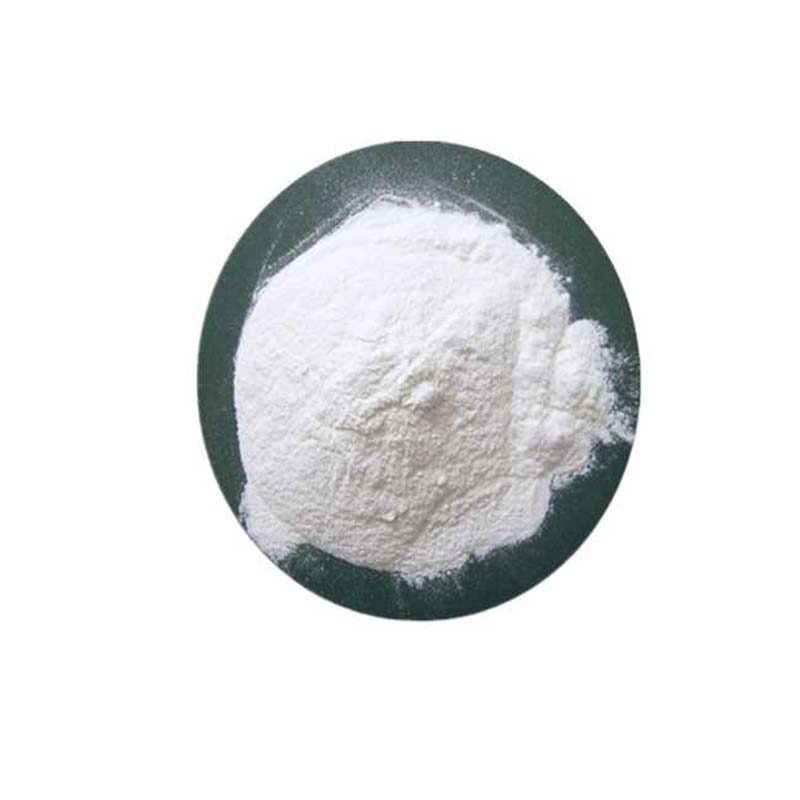
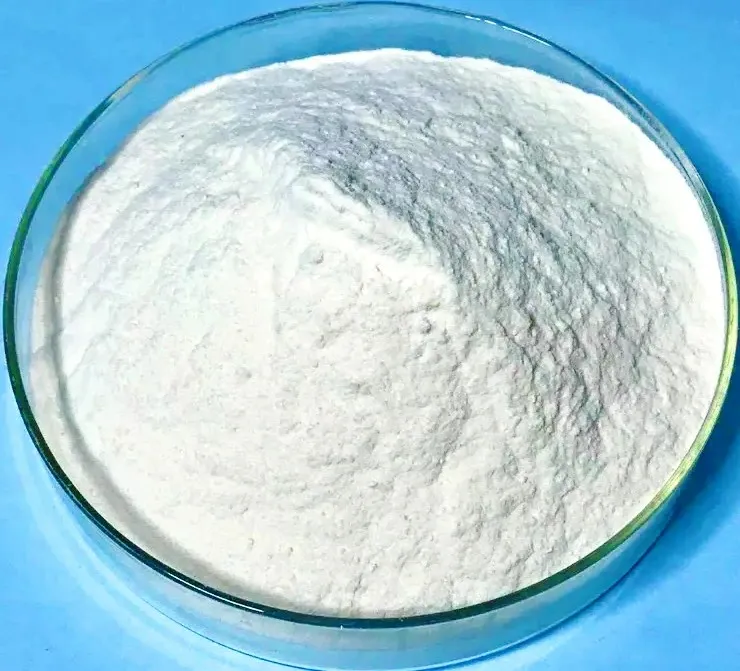
hydroxypropyl methylcellulose pharmaceutical use
Unlocking Performance: The Comprehensive Guide to Hydroxyethylcellulose In the dynamic world of specialty chemicals, few compounds possess the versatility and indispensable nature of hydroxyethylcellulose (HEC). This remarkable non-ionic, water-soluble polymer, derived from cellulose – the most abundant natural polymer on Earth – is a cornerstone ingredient in an astonishing array of industrial and consumer products. Its unique chemical modification, involving the etherification of cellulose's hydroxyl groups with ethylene oxide, transforms it into a powerful rheology modifier, thickener, binder, film former, and stabilizer. From ensuring the smooth application of paints to enhancing the efficacy of pharmaceutical formulations and optimizing processes in the demanding oil and gas sector, hydroxyethylcellulose plays a pivotal role in delivering superior performance and functionality. This in-depth exposition aims to provide a thorough understanding of HEC, covering its intricate manufacturing processes, critical technical parameters, widespread application scenarios, and the compelling advantages offered by industry leaders such as PezeTech. We will explore the latest industry trends, dissect complex technical specifications, and present real-world examples to underscore the profound impact of this vital polymer on modern manufacturing. Navigating the Evolving Landscape: Industry Trends and Market Dynamics of Hydroxyethylcellulose The global market for hydroxyethylcellulose is currently experiencing robust expansion, driven by multifaceted factors including rapid industrialization, burgeoning population growth, and an accelerating shift towards sustainable and high-performance materials across diverse sectors. Market analyses consistently project substantial growth, reflecting HEC's integral role in enabling advanced product formulations and manufacturing efficiencies. Sustainability Imperative: A significant prevailing trend is the intensifying demand for eco-friendly and bio-based raw materials. As a cellulose derivative, hydroxyethylcellulose is inherently aligned with these sustainability goals. Its natural origin and often biodegradable nature make it an increasingly preferred choice over synthetic polymers, particularly in applications where environmental impact is a critical consideration. This trend is further amplified by stringent environmental regulations worldwide. Surge in Construction and Coatings: The burgeoning global construction industry, particularly in rapidly developing economies in Asia-Pacific and Africa, continues to be a primary growth engine for HEC. In construction, hydroxyethylcellulose is indispensable for improving the workability, water retention, and anti-sagging properties of cement-based mortars, tile adhesives, and gypsum products. Simultaneously, the architectural and industrial paints and coatings sectors heavily rely on HEC for its exceptional rheology modification, thickening capabilities, and improved pigment dispersion, contributing to superior application characteristics and durability of the final film. Expansion in Personal Care and Pharmaceuticals: The personal care market, encompassing cosmetics, shampoos, lotions, and sanitizers, exhibits a consistent upward trajectory. Hydroxyethylcellulose based gel formulations are particularly gaining traction due to their desirable textural properties, clarity, and stability. In the pharmaceutical industry, HEC's inertness, excellent biocompatibility, and film-forming capabilities render it ideal for various oral and topical drug delivery systems, supporting controlled release mechanisms and enhancing product stability. Technological Advancements and Specialization: Manufacturers are continuously investing in research and development to innovate and produce highly specialized grades of HEC. These advancements include grades with improved enzymatic resistance, faster dissolution rates for quicker processing, broader pH stability for wider formulation compatibility, and enhanced salt tolerance for specific industrial applications like oilfield chemicals. The emergence of optimized hydroxyethylcellulose powder forms, designed for effortless dispersion and consistent performance, exemplifies this ongoing drive for technological refinement. Specialized products, often referred to by trade names such as hydroxyethylcellulose natrosol (though Natrosol is a specific brand), underscore the industry's need for tailored HEC solutions that offer precise rheological control and superior performance in niche applications. As reported by leading market intelligence firms, the global hydroxyethylcellulose market size was estimated to be around USD 1.25 billion in 2022, with projections indicating a compound annual growth rate (CAGR) of approximately 6.5% from 2023 to 2030, potentially reaching USD 2.15 billion by the end of the decade. This consistent growth trajectory validates HEC's critical and expanding role across various industrial applications, emphasizing its economic importance and future potential. (Source: Mordor Intelligence, Hydroxyethyl Cellulose Market - Growth, Trends, and Forecasts). Unveiling the Sophisticated Manufacturing Process of Hydroxyethylcellulose The production of hydroxyethylcellulose is a meticulously controlled chemical synthesis process, transforming natural cellulose into a highly refined and versatile polymer. This complex multi-stage process relies on precision engineering and stringent quality control at every step to ensure the final product's desired properties and consistency. While specific proprietary methodologies may vary between manufacturers, the fundamental chemical transformations remain consistent. Hydroxyethylcellulose Manufacturing Process Flow: A Step-by-Step Illustration 1. Raw Material Preparation (Cellulose Pulp Purification & Size Reduction): The process commences with sourcing high-purity cellulose pulp, typically derived from wood (e.g., bleached softwood kraft pulp) or cotton linters. This cellulose undergoes initial purification steps to remove impurities, hemicellulose, and lignin. It is then mechanically disintegrated and milled into a fine powder or short fibers. This comminution step is crucial as it significantly increases the surface area of the cellulose, making the hydroxyl groups more accessible for subsequent chemical reactions and ensuring uniform reactivity. ↓ 2. Alkalization (Mercerization): The prepared cellulose is then steeped in a concentrated aqueous solution of a strong alkali, most commonly sodium hydroxide (NaOH). This process, known as mercerization or alkalization, swells the cellulose fibers and converts the cellulose into alkali cellulose (Cell-ONa). The alkali acts as a catalyst, activating the highly unreactive hydroxyl groups on the cellulose macromolecule, thereby increasing their nucleophilicity and preparing them for the etherification reaction. The efficiency of this step directly influences the degree of substitution and uniformity of the final product. ↓ 3. Etherification (Reaction with Ethylene Oxide): The alkali cellulose is transferred to a specially designed reactor, often a horizontal reactor equipped with mixing capabilities. Here, it is reacted with precisely measured quantities of ethylene oxide (EO) under tightly controlled conditions of temperature, pressure, and reaction time. Ethylene oxide reacts with the activated hydroxyl groups on the alkali cellulose to form hydroxyethyl groups (-CH2CH2OH), grafting them onto the cellulose backbone via an ether linkage. This is the defining step for producing hydroxyethylcellulose . The precise control over the molar ratio of ethylene oxide to cellulose and reaction kinetics is paramount as it determines the degree of substitution (DS) and molar substitution (MS), which in turn dictate the final product's key performance attributes such as solubility, viscosity, and compatibility. Multi-stage etherification can be employed to achieve specific molecular weights and properties. ↓ 4. Neutralization: Following the etherification, the reaction mixture typically contains residual alkali and unreacted ethylene oxide. The mixture is then neutralized using an acidic solution (e.g., acetic acid, hydrochloric acid) to bring the pH to a neutral or slightly acidic range (typically pH 6.0-8.0). This step terminates the reaction, deactivates any remaining alkali, and stabilizes the newly formed hydroxyethylcellulose polymer, preventing degradation and ensuring long-term product stability. ↓ 5. Washing & Purification: The crude HEC is then subjected to extensive washing and purification. This typically involves multiple washes with hot deionized water or an organic solvent (such as isopropyl alcohol, acetone, or ethanol) to remove soluble by-products (like salts), unreacted raw materials, and other impurities. This purification phase is critical for achieving high purity, low ash content, excellent clarity, and desired color, especially for pharmaceutical, food-grade, and high-end personal care applications. Rigorous washing also ensures compliance with international standards like ISO and specific pharmacopeia requirements. ↓ 6. Drying: The purified HEC, now in a wet cake or slurry form, is dried to achieve a very low moisture content, typically below 6%. Various industrial drying methods are employed, including spray drying, flash drying, fluid bed drying, or conventional tray drying. The chosen drying method impacts the final particle morphology and solubility characteristics. Careful control of drying temperature and duration is essential to prevent thermal degradation of the polymer and maintain its desired properties, ensuring excellent dispersibility and rapid dissolution. ↓ 7. Grinding & Sieving (Milling & Classification): The dried hydroxyethylcellulose is then milled (ground) into a fine hydroxyethylcellulose powder using specialized grinding equipment (e.g., hammer mills, air classifier mills). This step is followed by sieving or classification to ensure a uniform and consistent particle size distribution. Particle size is a crucial parameter, directly influencing the dissolution rate, dispersion behavior, and tendency to form lumps ("fish-eyes") when added to liquids. Fine powders generally dissolve faster and more uniformly. ↓ 8. Quality Control & Packaging: The final hydroxyethylcellulose powder undergoes rigorous, multi-point quality control testing. This includes comprehensive analysis of critical parameters such as viscosity, moisture content, pH, purity (ash content), heavy metals, microbial limits, and solution clarity. Tests are conducted according to international standards (e.g., ISO, ASTM) and specific industry regulations (e.g., USP/EP for pharmaceuticals, FDA guidelines for food contact). Only batches that meet all stringent specifications are released for packaging. The finished product is then packaged in moisture-proof, inert bags or container111s (e.g., multi-ply paper bags with PE liner, or fiber drums) to protect it from environmental degradation during storage and transit. Figure 1: Advanced reactor systems and quality control points integral to modern hydroxyethylcellulose production, ensuring consistent product integrity. The precise control over each of these stages, from the selection of premium cellulose pulp to the fine-tuning of etherification parameters and the rigorous purification steps, is what ultimately defines the quality and performance of the final hydroxyethylcellulose product. PezeTech employs cutting-edge manufacturing technologies and adheres to globally recognized quality management systems to ensure that our China Suppliers Hidroxietilcelulosa Hec Hydroxy Ethyl Cellulose For Paint , along with all our HEC grades, consistently meets the highest purity, performance, and stability standards required by our discerning global clientele. Technical Parameters & Specifications: China Suppliers Hidroxietilcelulosa Hec Hydroxy Ethyl Cellulose For Paint The efficacy and suitability of hydroxyethylcellulose in any given application are meticulously defined by its unique technical parameters. For our flagship product, China Suppliers Hidroxietilcelulosa Hec Hydroxy Ethyl Cellulose For Paint , these specifications are precisely engineered to deliver optimal performance in critical industrial formulations. Understanding these parameters is vital for formulators and procurement specialists alike to select the ideal HEC grade. Parameter Typical Range / Value (PezeTech HEC) Unit Significance for Performance & Application Viscosity (2% Solution, Brookfield RVT, 25°C) 50 - 150,000+ mPa.s (cP) This is the most critical parameter, directly determining the thickening efficiency and rheological properties. Different viscosity grades are tailored for specific applications: Low Viscosity (50-500 mPa.s): For sprayable coatings, clear solutions, light gels. Medium Viscosity (500-10,000 mPa.s): General purpose paints, adhesives, basic personal care products. High Viscosity (10,000-75,000 mPa.s): Premium architectural paints, certain construction mortars, heavy-duty industrial coatings. Ultra-High Viscosity (75,000-150,000+ mPa.s): High-performance drilling fluids, thick pastes, specialized construction materials requiring maximum water retention and sag resistance. PezeTech offers a full spectrum of viscosity grades for diverse needs. Degree of Substitution (DS) / Molar Substitution (MS) DS: 0.8 - 1.5; MS: 1.5 - 2.8 - DS (average number of substituted hydroxyl groups per anhydroglucose unit) and MS (average number of moles of substituent per anhydroglucose unit) dictate solubility, solution clarity, enzymatic resistance, and compatibility with other ingredients. Higher MS generally improves water solubility and tolerance to electrolytes. Moisture Content ≤ 5.0 % Low moisture content ensures product stability during storage, prevents caking, and guarantees the stated concentration of the active polymer, preventing deviation in formulations. pH (2% Solution) 6.0 - 8.0 - Indicates the neutrality of the solution. An optimal pH range is crucial for compatibility with other sensitive ingredients in a formulation and for maintaining long-term stability of the final product, especially in personal care and pharmaceutical applications. Ash Content ≤ 2.5 % Represents the inorganic residue remaining after combustion. Lower ash content signifies higher purity, which is particularly important for applications like pharmaceuticals, clear coatings, and certain food-grade products where minimal impurities are critical for performance and safety. Particle Size Distribution (e.g., % passing 80 mesh) ≥ 98 % Determines the dissolution rate and dispersibility of the hydroxyethylcellulose powder in liquids. Finer particles typically hydrate and dissolve faster, reducing mixing time and preventing the formation of "fish-eyes" (undissolved lumps). Our products are engineered for optimal particle size for rapid and uniform dispersion. Solubility & Solution Clarity Readily soluble in cold and hot water; forms clear solutions - Ensures ease of formulation and broad applicability across water-based systems. High clarity is essential for optical applications, transparent gels, and clear coatings. PezeTech's hydroxyethylcellulose products are manufactured under rigorous quality assurance protocols that meet and exceed international benchmarks, including adherence to ISO 9001:2015 standards for quality management systems. Each batch undergoes meticulous testing in our state-of-the-art laboratories to verify these parameters. For instance, the specific viscosity range of our China Suppliers Hidroxietilcelulosa Hec Hydroxy Ethyl Cellulose For Paint is calibrated to provide optimal sag resistance, excellent flow, and superior leveling in paint formulations, significantly improving the end-user application experience and the aesthetic quality of the finished surface. Our commitment to precise control over these parameters ensures unmatched consistency and reliability, critical factors for seamless integration into industrial production lines. Beyond the Basics: Technical Advantages and Performance Benefits of PezeTech's Hydroxyethylcellulose Selecting PezeTech as your hydroxyethylcellulose supplier is an investment in superior performance and reliability. Our China Suppliers Hidroxietilcelulosa Hec Hydroxy Ethyl Cellulose For Paint and other HEC grades offer a distinct set of technical advantages that translate directly into enhanced product quality, increased manufacturing efficiency, and ultimately, greater market competitiveness for our clients. Unrivaled Thickening Efficiency: PezeTech's HEC delivers exceptional viscosity build-up even at lower concentrations, which directly translates into cost savings for our customers. This high efficiency ensures optimal rheology control with minimal additive usage, crucial for maintaining desired consistency in paints, adhesives, and personal care products without over-formulation. Optimized Pseudoplastic Rheology: Our hydroxyethylcellulose is engineered to impart ideal pseudoplastic (shear-thinning) flow characteristics. This property means that formulations containing our HEC exhibit high viscosity at rest (preventing pigment settling or product separation), yet thin considerably under shear stress (e.g., during pumping, mixing, brushing, or spraying). Once the shear is removed, the viscosity rapidly recovers, ensuring excellent sag resistance, superior leveling, and minimal dripping for applications like paints and coatings. This balance is critical for ease of application and a flawless finish. Exceptional Water Retention Capability: In water-based systems such as construction mortars, plasters, and emulsion paints, HEC's ability to effectively retain water is paramount. It prevents premature drying, extends the open time (working time), and ensures proper hydration of cementitious materials, leading to improved adhesion, reduced cracking, and enhanced final strength and durability of the finished structure or coating. Broad Compatibility and Enhanced Stability: As a non-ionic polymer, our hydroxyethylcellulose exhibits excellent compatibility with a vast array of other raw materials, including various polymers, surfactants (both anionic and cationic), pigments, and salts. This broad compatibility minimizes formulation challenges and increases flexibility in product development. Furthermore, HEC contributes to the long-term colloidal stability of emulsions and suspensions, preventing phase separation and extending the shelf life of the final product even under varying pH and temperature conditions. Superior Film-Forming Properties: In applications like paints, coatings, and adhesives, HEC contributes to the formation of uniform, continuous, and robust films. These films enhance adhesion to substrates, improve gloss, and provide greater resistance to abrasion and environmental factors, thereby extending the service life of the coated surface. Improved Pigment Dispersion and Suspension: For pigmented systems such as paints, inks, and certain personal care products, hydroxyethylcellulose acts as an effective protective colloid and dispersant. It prevents the hard settling of pigments and fillers, ensuring uniform color development, consistent opacity, and stability throughout the product's shelf life, eliminating the need for excessive stirring before use. Environmentally Responsible Choice: Derived from renewable cellulosic resources, HEC offers a more sustainable and biodegradable alternative compared to many synthetic thickeners. This aligns with increasing global environmental regulations and consumer demand for "green" or eco-friendly products, allowing formulators to achieve high performance with a reduced environmental footprint. Specialized Grades for Niche Applications: Beyond standard grades, PezeTech offers specialized hydroxyethylcellulose variants, including those optimized for enzyme resistance (crucial for preserving viscosity in microbiologically challenged environments) and rapid dissolution (for quicker batch preparation). These tailor-made solutions, sometimes referenced as equivalents to specific brand names like hydroxyethylcellulose natrosol , underscore our capability to meet precise customer demands. Figure 2: Demonstrating the superior rheological control and consistent flow behavior enabled by PezeTech's optimized hydroxyethylcellulose in industrial formulations. These multifaceted technical advantages translate into tangible economic and performance benefits for our clients. For instance, in paint formulations, our HEC can lead to a 10-15% improvement in sag resistance, a 5-8% increase in coverage per liter due to better leveling, and an extended shelf life of up to 6 months, directly impacting material consumption, application efficiency, and overall product longevity. This holistic approach to product development and performance optimization solidifies PezeTech's position as a preferred partner for high-quality hydroxyethylcellulose solutions. Diverse Application Scenarios: Where Hydroxyethylcellulose Makes a Difference The remarkable versatility of hydroxyethylcellulose allows it to serve as a cornerstone ingredient across an astonishingly wide spectrum of industries. Its unique combination of thickening, water-retaining, and stabilizing properties enables it to address complex formulation challenges and significantly enhance the performance and user experience of countless products. Paints & Coatings Industry: HEC's most prominent application is arguably in water-based paints, including interior and exterior latex paints, primers, and industrial coatings. Here, hydroxyethylcellulose acts as a highly efficient thickener and rheology modifier, imparting excellent sag resistance (preventing paint from running on vertical surfaces), improved leveling (for a smooth, even finish), and better brushability or sprayability. It also enhances color uniformity by improving pigment dispersion and provides critical stability against syneresis and microbial attack, ensuring long-term shelf life. Our China Suppliers Hidroxietilcelulosa Hec Hydroxy Ethyl Cellulose For Paint is specifically optimized for this sector, contributing to durable, aesthetically pleasing finishes and efficient, defect-free application. Construction Materials: In the construction sector, hydroxyethylcellulose is invaluable in a wide range of products, including cement-based mortars, tile adhesives, renders, plasters, and self-leveling compounds. Its primary role is to significantly improve water retention, which is crucial for proper hydration of cement and gypsum, preventing premature drying and ensuring optimal curing. This leads to extended open time, enhanced workability for masons, improved adhesion strength, and reduced cracking. HEC also contributes to improved rheology, providing excellent anti-sagging properties for vertical applications and superior consistency for easy mixing and application. Oil & Gas Drilling Fluids: HEC is a critical component in various oilfield chemicals, particularly in drilling fluids (muds), fracturing fluids, and completion fluids. It functions as a highly effective fluid loss control agent, preventing the loss of drilling fluid into permeable formations. It also acts as a viscosity modifier and suspending agent, helping to carry drilling cuttings out of the wellbore and stabilize the formation. Its high thermal stability and salt tolerance make it suitable for demanding downhole conditions, contributing to improved drilling efficiency, reduced costs, and enhanced well integrity. Personal Care & Cosmetics: In the burgeoning personal care industry, hydroxyethylcellulose is extensively used in products such as shampoos, conditioners, lotions, creams, hand sanitizers, shower gels, and cosmetic formulations. It serves as a versatile thickener, emulsion stabilizer, and film former. HEC provides a desirable texture and feel, enhances spreadability, and ensures the stability of active ingredients. Many popular consumer products leverage hydroxyethylcellulose based gel formulations due to their clarity, non-tacky feel, and excellent shear-thinning properties for easy dispensing. Pharmaceuticals: Pharmaceutical-grade hydroxyethylcellulose plays a crucial role in various drug delivery systems. It is commonly used as a binder and disintegrant in tablets, a thickening and suspending agent in liquid medications (e.g., cough syrups, antacids), and a film-forming agent for tablet coatings or transdermal patches. Its inertness, biocompatibility, non-toxicity, and ability to form clear, stable solutions also make it ideal for ophthalmic solutions (eye drops) and topical gels, contributing to controlled drug release profiles and enhanced patient compliance. PezeTech's pharma-grade HEC adheres to stringent USP/EP/BP standards. Adhesives & Sealants: HEC is incorporated into water-based adhesives and sealants to enhance their viscosity, improve spreadability, and increase tack and binding strength. It ensures consistent film formation and robust adhesion in applications ranging from paper and textile adhesives to construction sealants, contributing to more reliable and durable bonds. Figure 3: Illustrating the widespread utility of hydroxyethylcellulose across various industries, from construction to personal care, showcasing its adaptability. Each of these application areas benefits from the tailored properties of HEC, demonstrating its capability to solve specific formulation challenges, optimize manufacturing processes, and ultimately lead to superior end products that meet stringent performance and quality requirements. The broad adoption of hydroxyethylcellulose across such a diverse industrial landscape underscores its irreplaceable value as a functional additive. Manufacturer Comparison: Why PezeTech is Your Preferred Partner for Hydroxyethylcellulose The global market for hydroxyethylcellulose is characterized by numerous manufacturers, each offering various grades and levels of service. However, discerning buyers understand that not all HEC is created equal, and the choice of supplier profoundly impacts product consistency, performance, and supply chain reliability. PezeTech stands as a leading global supplier, distinguishing itself through an unwavering commitment to unparalleled quality, relentless innovation, and a deeply customer-centric approach. Key Differentiating Factor PezeTech (Our Distinct Advantage) Typical Competitor Product Quality & Consistency Exceptional & Guaranteed: ISO 9001:2015 certified manufacturing, multi-stage, in-line, and final product quality control. Utilizes advanced analytical techniques to ensure batch-to-batch consistency. Over 99% batch conformity rate. Variable quality, potential for batch inconsistencies due to less stringent QC or outdated processes. Technical Support & R&D Prowess Proactive & Expert-Led: Dedicated team of Ph.D. chemists and application engineers. Offers comprehensive formulation assistance, troubleshooting, and joint R&D projects. Known for rapid response to technical queries and deep industry insights. Limited technical support, often relying on generic data sheets. Less capacity for complex problem-solving or custom development. Product Portfolio & Customization Capabilities Extensive & Tailored: Broadest range of hydroxyethylcellulose grades (low to ultra-high viscosity, different DS/MS values, surface treatments). Specialization in developing bespoke solutions (e.g., specific dissolution rates, enhanced enzyme resistance akin to premium hydroxyethylcellulose natrosol alternatives). Primarily offers standard commodity grades, with very limited to no capability for product customization or specialized derivatives. Supply Chain Reliability & Global Reach Robust & Resilient: Vertically integrated supply chain with strong, long-term raw material partnerships. Optimized global logistics network ensuring prompt and predictable on-time delivery across continents. High inventory resilience. Vulnerable to raw material price fluctuations and supply disruptions. Less developed international distribution channels leading to potential delays. Cost-Effectiveness & Value Proposition Optimal Value: Competitive pricing relative to superior quality and performance. Higher efficiency often means lower usage rates per formulation, resulting in significant total cost of ownership (TCO) savings for customers. Reduced rework and waste. Potentially lower unit price upfront, but may lead to higher usage rates, compromised performance, and increased operational costs due to quality issues. Certifications & Regulatory Compliance Globally Compliant: Adheres to all major international quality (ISO 9001), environmental (ISO 14001, where applicable), and chemical safety regulations (e.g., REACH, TSCA, K-REACH, IECSC). Specific products meet pharmacopeia standards (USP, EP, BP). May lack comprehensive international certifications or face challenges in meeting diverse regional regulatory requirements, limiting market access for customers. Environmental & Social Responsibility Committed: Focus on sustainable sourcing, minimized environmental footprint in production (e.g., waste reduction, energy efficiency). Engaged in responsible labor practices and community initiatives. Less emphasis on comprehensive sustainability practices; primarily cost-driven operations. PezeTech's established reputation, built over a decade of dedicated service in the specialty chemicals industry, is a testament to our steadfast commitment to these core principles. Our manufacturing facilities are not merely production units but centers of excellence where continuous improvement and innovation are embedded in our operational DNA. Choosing PezeTech means partnering with a company that not only delivers high-performance hydroxyethylcellulose but also provides the comprehensive support and expertise necessary to optimize your processes and drive your business forward. We are not just a supplier; we are an extension of your R&D and production teams, dedicated to your success. Tailored Excellence: Custom Solutions and Bespoke Hydroxyethylcellulose Offerings While our standard range of hydroxyethylcellulose grades meets the needs of a broad spectrum of applications, PezeTech recognizes that many industries face highly specific and nuanced formulation challenges. In these instances, a "one-size-fits-all" approach simply isn't sufficient. This is where our advanced customization capabilities truly shine, allowing us to engineer bespoke HEC solutions that are perfectly aligned with your unique requirements. In-depth Needs Assessment & Collaborative Consultation: Our customization process begins with a comprehensive dialogue. Our team of expert polymer scientists and application engineers works hand-in-hand with your R&D and production teams to gain a deep understanding of your specific application, desired rheological profile, processing conditions, compatibility requirements, and performance targets. This collaborative approach ensures that the developed solution addresses your precise pain points. Precision Viscosity and Molecular Weight Engineering: We possess the technical prowess to precisely control the molecular weight and degree of substitution during the synthesis of hydroxyethylcellulose . This allows us to offer custom grades with very specific viscosity ranges – from ultra-low for fine sprays to extremely high for specialized construction compounds – ensuring optimal performance without over-thickening or insufficient body. This fine-tuning includes optimizing for properties like thixotropy, pseudoplasticity, and yield stress. Tailored Particle Size Distribution (PSD): For applications where dispersion rate, dissolution time, or handling characteristics are critical, we can engineer the particle size distribution of our hydroxyethylcellulose powder . Whether you require a very fine powder for rapid dissolution or a granular form for dust-free handling, our milling and sieving processes are adaptable to your specific needs, preventing issues like "fish-eyes" or uneven hydration. Enhanced Functionality & Surface Modifications: Our R&D capabilities extend to developing HEC grades with enhanced functionalities. This includes improving enzymatic resistance for formulations prone to microbial degradation, increasing salt tolerance for use in high-electrolyte systems (e.g., oilfield brines), or applying specialized surface treatments to improve dispersibility in non-aqueous phases or compatibility with unique active ingredients. These advanced offerings often provide performance akin to or super
Play Video









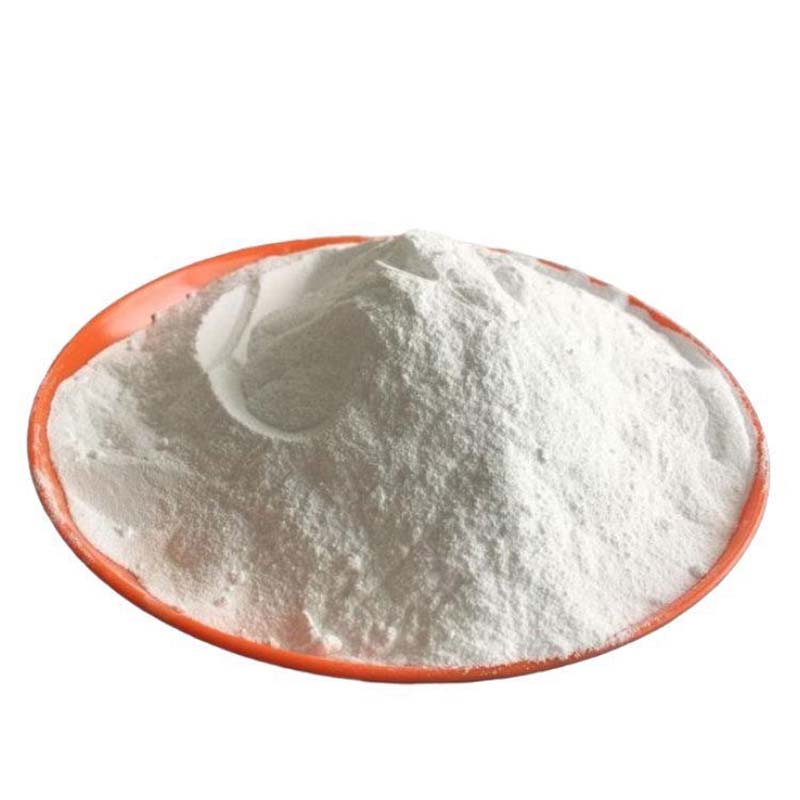
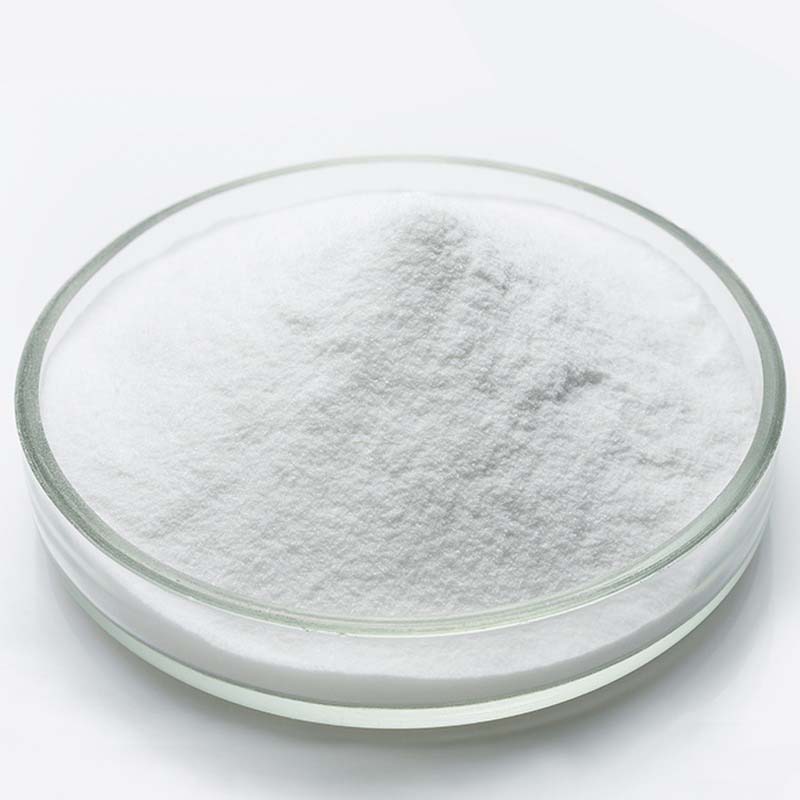




 Plastering mortar
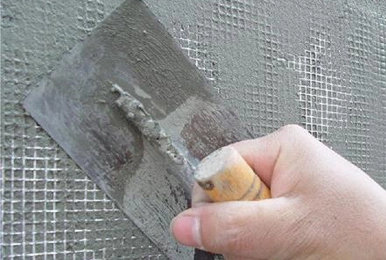 External Wall Insulation Mortar
 Gypsum
 Tile Adhesive
 Putty For Exterior Wall
 Interior Wall Putty
 Redispersible Polymer Powder
 Reactive Dyes
 Digital Printed Fabric
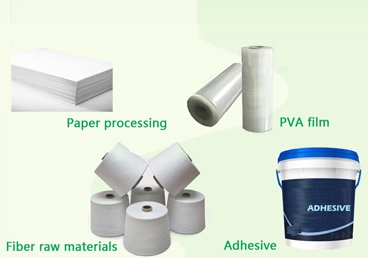 CMC Printing paste